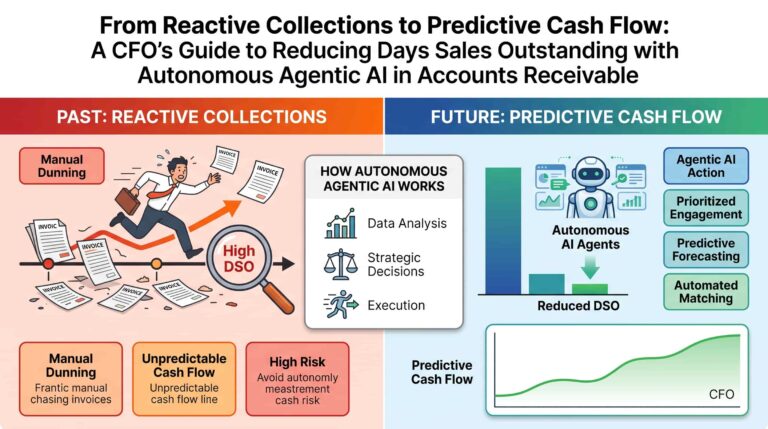

B2B cash flow often hits a wall at the final hurdle: the invoice. When an invoice fails to align perfectly with the buyer’s Purchase Order (PO) or the underlying master contract, it triggers a dispute. The payment is frozen, the Accounts Receivable (AR) team enters a cycle of manual investigation, and the Days Sales Outstanding (DSO) climbs. Mismatch Intelligence shifts this dynamic entirely by moving the reconciliation process upstream—identifying and resolving data discrepancies before the invoice is ever generated and sent to the client.
The Reactive Invoicing Trap
Traditionally, billing departments operate on a “send and defend” model. Invoices are generated based on operational data, dispatched, and then the AR team waits to see which ones are rejected by the client’s Accounts Payable (AP) department. This reactive approach relies on the client to act as the final quality control check, which inherently damages trust and delays revenue.
| Feature | Reactive Billing (Traditional) | Proactive Billing (Mismatch Intelligence) |
|---|---|---|
| Error Detection | Post-issuance (Client flags the error) | Pre-issuance (System flags the error) |
| Resolution Method | Credit memos, revised invoices, email threads | Internal correction prior to billing |
| Impact on Payment | Paused indefinitely until resolved | Processed seamlessly on standard terms |
| Client Experience | Frustrating; signals disorganization | Frictionless; builds vendor trust |
| Resource Cost | High (Requires dedicated dispute teams) | Low (Automated flags, quick internal fixes) |
Core Principles of Mismatch Intelligence
Mismatch Intelligence utilizes automated workflows and data integration to cross-reference three critical documents before billing execution: the Contract (agreed rates and terms), the Purchase Order (budget authorization and scope), and the Draft Invoice (actual delivery or usage).
By analyzing these data points concurrently, AR teams can neutralize the four most common billing disputes:
- Pricing and Rate Discrepancies: Contracts often contain tiered pricing, early-payment discounts, or volume rebates. Mismatch Intelligence ensures the drafted invoice reflects the exact negotiated rates in the CRM or contract lifecycle system, preventing overcharging.
- Volume and Quantity Limits: Billing for 120 software licenses when the PO only authorized 100 will immediately halt payment. Proactive systems flag when draft quantities exceed the remaining balance on an open PO.
- Missing or Exhausted PO Numbers: Enterprise AP departments outright reject invoices lacking a valid PO number. Mismatch Intelligence prevents an invoice from being generated if the PO field is blank, expired, or fully depleted.
- Milestone Misalignments: For services or project-based work, invoicing before a contractual milestone is officially signed off causes immediate disputes. Pre-billing checks ensure that the operational trigger matches the billing trigger.
The Business Impact of Upstream Reconciliation
Implementing a Mismatch Intelligence strategy transforms the AR function from a back-office administrative task into a strategic driver of working capital.
Accelerated Days Sales Outstanding (DSO)
Every billing error adds an average of 14 to 20 days to the collection cycle while the issue is routed back through sales, operations, and finance for clarification. By ensuring that 100% of outbound invoices are “clean” and matched to the client’s procurement data, invoices pass straight through automated AP portals without human intervention, ensuring on-time payment.
Drastic Reduction in AR Rework
Resolving a dispute is expensive. It requires issuing credit memos, canceling original invoices, regenerating new ones, and writing explanatory emails. Catching a rate error before the invoice is sent takes seconds to fix; fixing it after the client complains takes hours of cross-departmental coordination. Mismatch Intelligence allows AR teams to allocate their time to high-value collections rather than administrative rework.
Strengthened Client Trust
Your billing process is a primary touchpoint for client experience. Consistently sending inaccurate invoices that require the client’s procurement team to audit and reject your work damages vendor credibility. Clean, perfectly matched invoices position your company as a mature, reliable enterprise partner, which becomes a competitive advantage during contract renewals.
Modern billing is no longer just about generating a PDF and routing it to an inbox. By integrating Mismatch Intelligence into the financial workflow, organizations stop managing disputes and start preventing them, ensuring that the revenue they have earned is collected with maximum speed and minimum friction.